





 CN
CN


 HOME
HOMEA Complete Guide to Badge Care: Preserving Memories and Honors
 Dec 25,2025

 Pu You
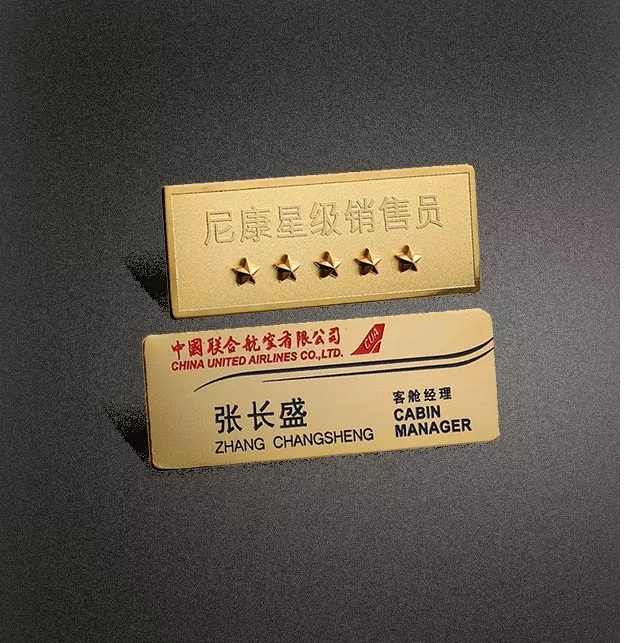
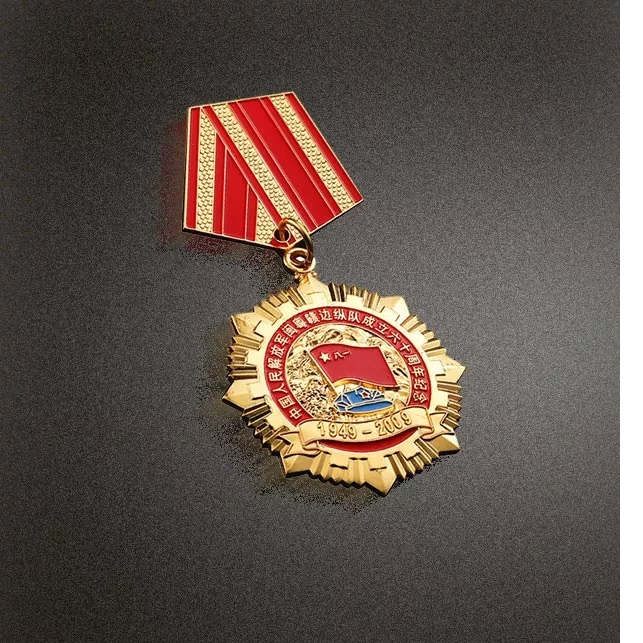
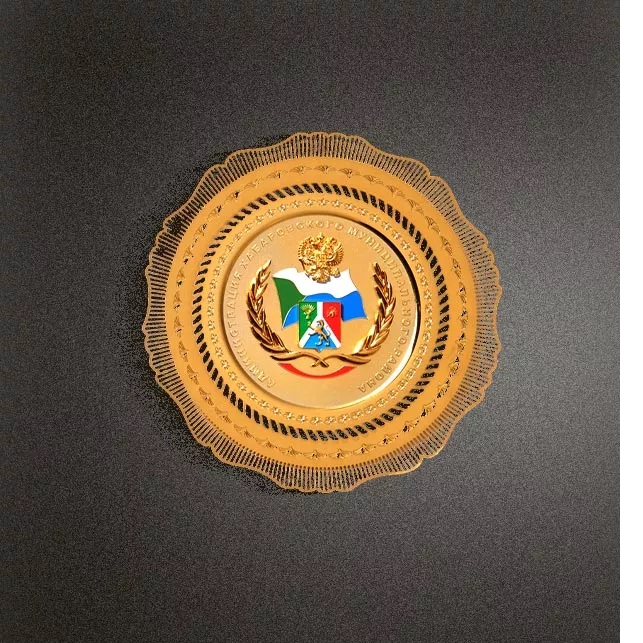
Badges are not only identifiers of identity and symbols of honor, but also precious collectibles carrying emotions and memories. Whether it's a metallic commemorative medal, a brightly colored enamel badge, or a school emblem, party emblem, or police badge with special significance, proper care is essential to maintain their original luster and value. Improper wearing, storage, or cleaning can easily lead to badge oxidation, fading, scratches, or even deformation. This article provides a comprehensive badge care guide, covering general methods, material-specific techniques, storage tips, and common mistakes to help you properly care for every precious badge.
I. General Care Principles: Basic Protection is Key
Regardless of the material, the core care logic for badges revolves around "preventing oxidation, scratches, and corrosion." The following general methods apply to most badges:
1. Wear them correctly to avoid physical damage
When wearing badges, avoid collisions or friction with rough objects or sharp edges to prevent surface scratches or deformation. 1. When attaching or detaching the badge, use your fingertips to hold the main body and gently lift the pin head. Do not pull the pin forcefully to avoid permanent deformation or loosening of fasteners. Also, avoid prolonged exposure of the badge to direct sunlight, as ultraviolet rays will accelerate the fading of the paint and oxidation of the electroplating layer, reducing the badge's appearance.
2. Keep away from corrosive sources and isolate from harmful environments
The badge should be kept away from all kinds of chemical corrosive substances, including perfumes, hairspray, alcohol, acetone, bleach, and other organic solvents or acidic and alkaline cleaning agents. Avoid prolonged contact with sweat, especially on metal badges, as the salt and oil in sweat will accelerate oxidation and rust. Store the badge away from damp areas such as kitchens and bathrooms, and avoid high-temperature environments to prevent structural damage caused by metal expansion and contraction.
3. Clean properly and gently remove stains
For daily cleaning, prioritize dry wiping: Gently wipe the badge surface with a clean microfiber cloth, eyeglass cloth, or soft cloth to remove dust and fingerprints. Avoid using rough cloths or hard-bristled brushes. For stubborn stains, dilute a neutral detergent (such as phosphate-free laundry detergent) with warm water. Apply a small amount of the solution to a soft cloth and gently wipe the stain. Rinse quickly with clean water and dry thoroughly with a dry cloth. Do not soak for extended periods. Never use cleaning products containing abrasives (such as toothpaste or polishing paste), as this may scratch the surface plating or glaze.
II. Targeted Maintenance by Material: Precise Care for Different Badges
Badges come in various materials (metal, enamel, fabric, etc.), each with different characteristics. Therefore, the focus of maintenance varies. Targeted care can more effectively extend their lifespan:
1. Metal Badges (Copper, Zinc Alloy, Stainless Steel, Silver)
Metal badges are most prone to oxidation, requiring special attention to moisture and rust prevention:
- Copper Badges: Avoid contact with sulfur-containing substances (such as rubber mats, hydrogen sulfide environments) to prevent the formation of black copper sulfide. Mild oxidation can be gently wiped with a special jewelry polishing cloth. Severe oxidation requires professional treatment with a slightly acidic solution. After treatment, rinse and dry immediately, and apply a thin layer of microcrystalline wax to form a protective layer.
- Zinc alloy/stainless steel badges: Although highly corrosion-resistant, they still need to be kept away from humid environments. Store them with silica gel desiccant and wipe them periodically with a dry cloth; frequent cleaning is unnecessary.
- Silver badges: Prone to oxidation and tarnishing. Store them in a sealed bag with desiccant. Clean gently with a dedicated silver cleaning cloth; avoid using chlorine-based cleaners.
2. Enamel badges (hard enamel, soft enamel)
Enamel badges have a delicate enamel surface; special attention should be paid to preventing impacts and cracks:
- Avoid dropping or squeezing to prevent cracks or peeling of the enamel. Do not use ultrasonic cleaning equipment, as this may damage the bond between the enamel and the metal substrate.
- For stubborn stains, gently wipe with a neutral detergent diluted in warm water. After drying, check the enamel surface for any residual moisture to prevent water from seeping into crevices and causing oxidation.
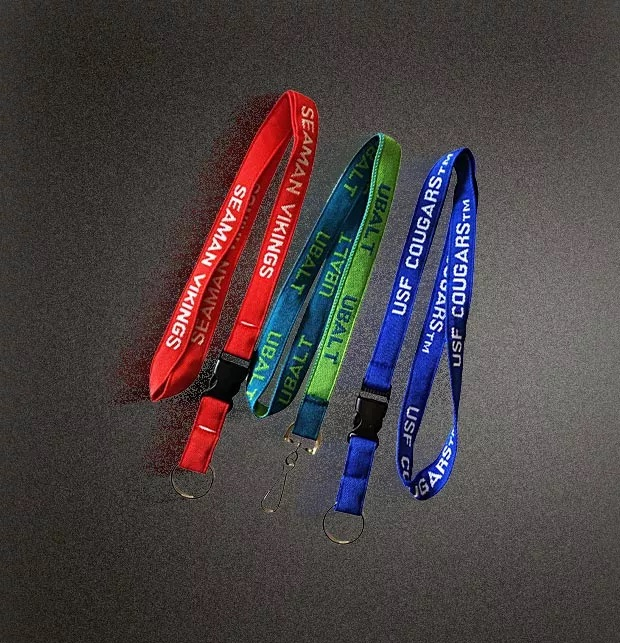
3. Fabric/Ribbon Badges and Accessories
Fabric accessories are prone to absorbing moisture and fading. Care requires attention to cleaning and drying:
- For sweat stains or other stains, spot treat with a professional fabric cleaner and lay flat to air dry naturally. Avoid strong sunlight or high-temperature drying to prevent fading and deformation.
- Store separately from the metal body to prevent fabric fibers from rubbing against the metal surface. Place a desiccant inside to prevent mold.
III. Storage Environment: Creating a Safe "Haven"
Long-term storage is crucial for badge maintenance. A suitable environment can significantly reduce the risk of damage:
1. Basic Storage Requirements
Choose a dry, well-ventilated, and temperature-controlled space (such as drawers or bookshelves). Maintain humidity between 40% and 60% to avoid oxidation caused by excessive humidity. Keep away from direct sunlight and high-temperature areas (such as near heaters or windowsills) to prevent plating aging and paint fading.
2. Storage Container Selection
Prioritize using the dustproof storage box or padded collection box provided by the manufacturer. Store badges individually or wrap them in a soft cloth to prevent scratches caused by friction and collision between multiple badges. For valuable collectible badges, use sealed plastic bags or professional artifact collection boxes with built-in silica gel desiccant to absorb moisture. However, be sure to replace the desiccant regularly and avoid direct contact with the badge surface.
3. Special Storage Precautions
Avoid using containers containing acidic or alkaline components (such as some inferior plastic boxes) to prevent chemical reactions with the badges. Also, keep away from chemical insect repellents such as mothballs to avoid corroding the badge surface. If the badge has a leather sleeve, it needs to be maintained regularly with leather conditioner to prevent the leather from aging and sticking to the badge.
IV. Regular Inspection and Professional Repair
Regular maintenance allows for timely detection and intervention of problems. It is recommended to have a comprehensive inspection of the badges every 3-6 months:
- Observe the badge surface for oxidation spots, paint peeling, plating flaking, etc. Check if the pins and fasteners are loose.
- For minor oxidation, gently wipe with a special non-abrasive polishing cloth. Avoid repeated vigorous polishing to prevent damage to the original patina or plating.
- If structural damage is found (such as enamel cracks, large-area plating peeling, or broken pins), stop attempting to repair it yourself and entrust it to a qualified professional organization for repair. This is especially important for badges with special symbolic meaning, such as police badges and party badges, which must be repaired strictly according to the management regulations of the unit.
V. Common Maintenance Misconceptions: Avoid These Mistakes
Many people have misconceptions about badge maintenance, which actually accelerate badge damage. The following points require special attention:
- Misconception 1: Cleaning with organic solvents such as alcohol and acetone. These substances will damage the electroplating layer, enamel glaze, and paint, leading to fading and peeling.
- Misconception 2: Polishing with abrasive products. Toothpaste, polishing paste, etc., will scratch the badge surface, damage the protective layer, and accelerate oxidation.
- Misconception 3: Prolonged soaking for cleaning. Metal badges will rust faster if they are not thoroughly dried after getting wet; enamel badges may be damaged if moisture seeps into the crevices.
- Myth 4: Touching the front of the badge directly with bare hands. Oils and sweat from your hands will remain on the surface, acting as a catalyst for oxidation. It is recommended to wear clean gloves when handling badges.
 The small refrigerator magnet has opened up a huge market: By integrating culture and practicality, it has become a new favorite among consumers.
 You May Also Like

 Tel
Tel
 Email
Email
 Address
No. 20, Xiya South Road, Xiayuan Village, Ningxi Street, Zengcheng District, Guangzhou City, Guangdong Province